Extension springs stretch along the horizontal tracks above your garage door. When they wear out, they often give warning signs before they break. Recognising those signs early can save you from a sudden failure that leaves the door stuck or causes damage. This article explains what to look for and what to do if you suspect a problem.
What Extension Springs Do
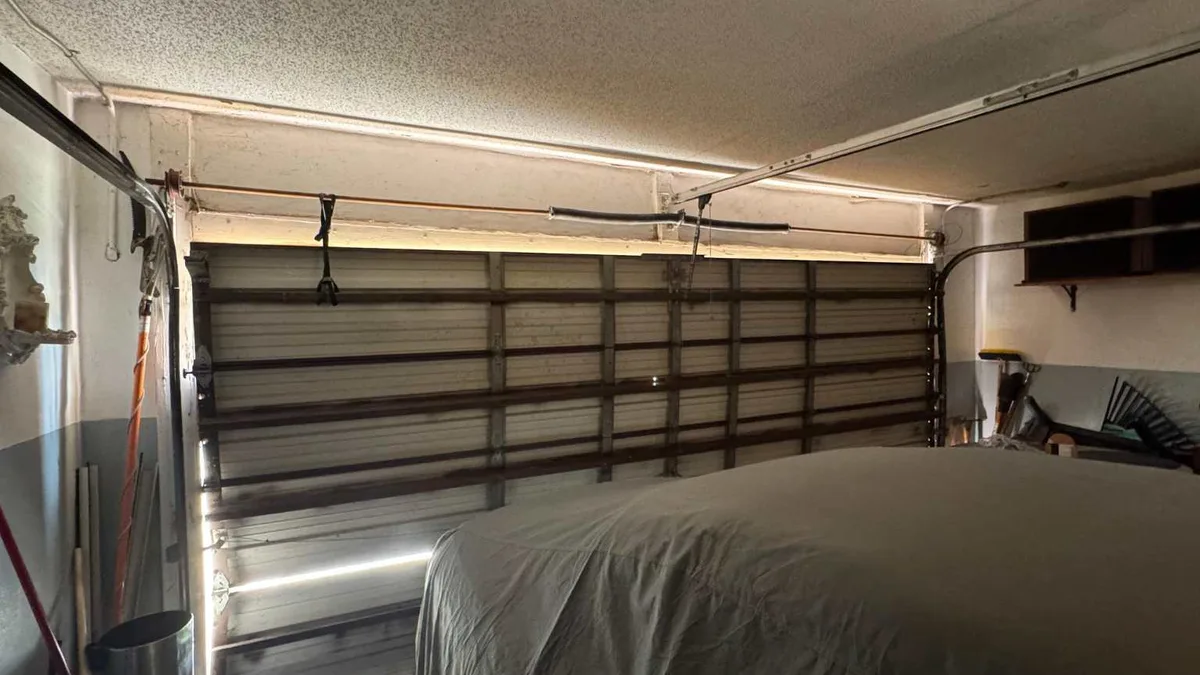
Extension springs counterbalance the door's weight. As the door closes, the springs stretch; as it opens, they contract, helping the opener lift the door smoothly. They are under constant tension, and over time, the metal fatigues. Unlike torsion springs, which are mounted on a shaft above the door, extension springs run parallel to the horizontal tracks. They are usually visible from inside the garage, especially when the door is closed.
Visual Warning Signs
You can inspect extension springs safely from the ground without touching them. Look for these signs:
- Gaps or stretching: A spring that appears stretched out or has gaps between coils may be losing tension.
- Rust or corrosion: Florida's humidity can accelerate rust. Rust weakens the metal and can lead to breakage.
- Fraying or broken strands: If you see individual wires fraying or a strand has snapped, the spring is compromised.
- Sagging: A spring that hangs lower than its partner or looks loose indicates wear.
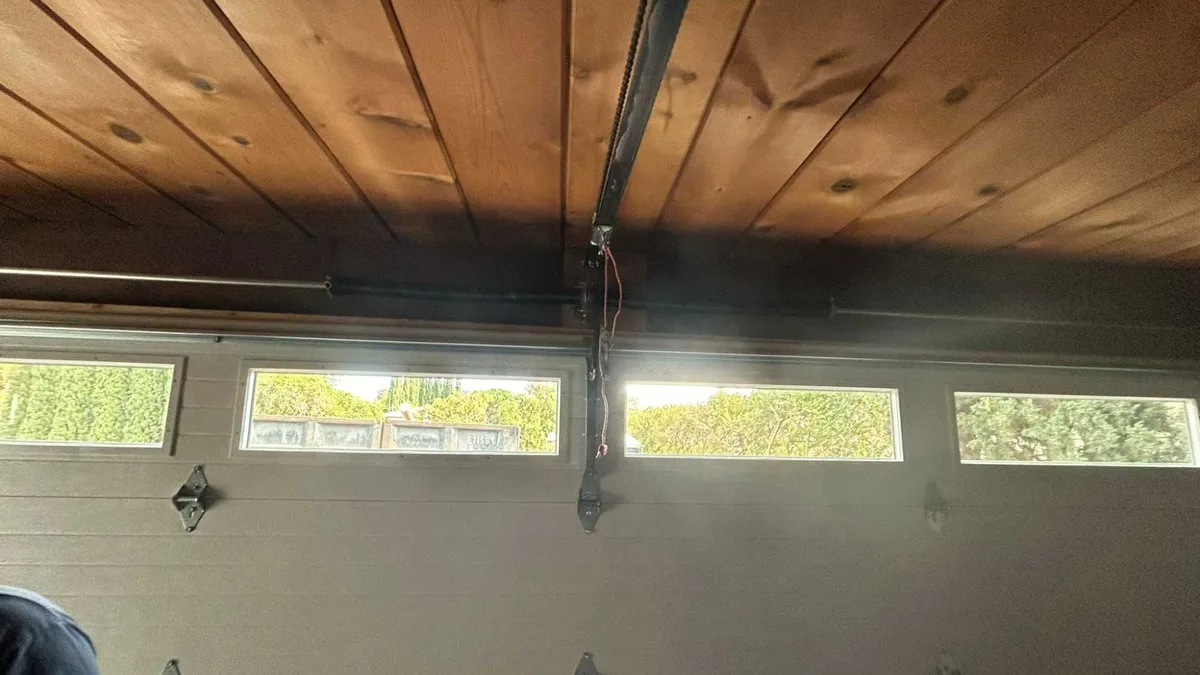
- Discolouration or dark spots: These can indicate excessive heat from friction, a sign of impending failure.
If you notice any of these, do not attempt to adjust or replace the spring yourself. Extension springs store dangerous energy and can cause serious injury if they break during handling.
Noises and Movement
Listen and watch while the door operates. A failing extension spring may produce:
- Loud bangs or pops: This often means a spring has broken or is about to break.
- Creaking or groaning: While some noise is normal, new or worsening sounds can indicate spring strain.
- Jerky movement: If the door opens or closes unevenly, a spring may be losing tension.
- Door won't stay open: A door that drifts down or feels unusually heavy when lifted manually (with the opener disconnected) suggests spring failure.
These symptoms can also point to other issues, such as track misalignment or worn rollers, but springs are a common culprit.
Why Extension Springs Fail
Extension springs have a finite lifespan. They cycle each time the door opens and closes. In Florida, the combination of heat, humidity, and salt air can shorten that lifespan. Lack of maintenance, such as failing to lubricate springs and moving parts, accelerates wear. If one spring breaks, the other is likely near the end of its life, so it's best to replace both at the same time. This is a job for a trained technician.
What to Do If You Suspect a Problem
If you see or hear any of the warning signs, stop using the door. Operating a door with a failing spring can cause the opener to strain, the door to fall, or the spring to break violently. Call a professional. DoorCore Garage Doors serves Port St. Lucie, Fort Pierce, Stuart, Jensen Beach, Palm City, Hobe Sound, Vero Beach, and Sebastian. You can reach us at (561) 421-5760 or DoorCoreFL@gmail.com. We are licensed and insured.
Our hours are Monday through Friday, 7:00 AM to 7:00 PM, and Saturday, 8:00 AM to 5:00 PM. Emergency service is available.
Regular maintenance can help you catch spring problems early. A technician can inspect the springs, lubricate them, and check the entire door system for balance and safety. Don't wait for a break—address the warning signs now.