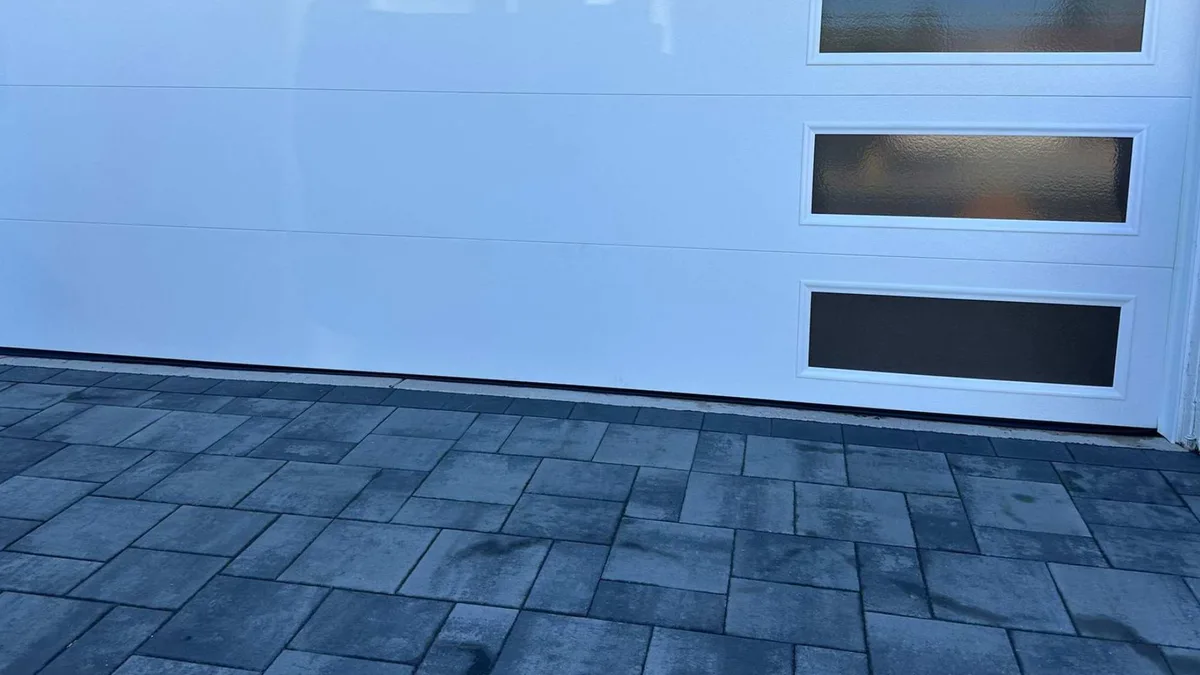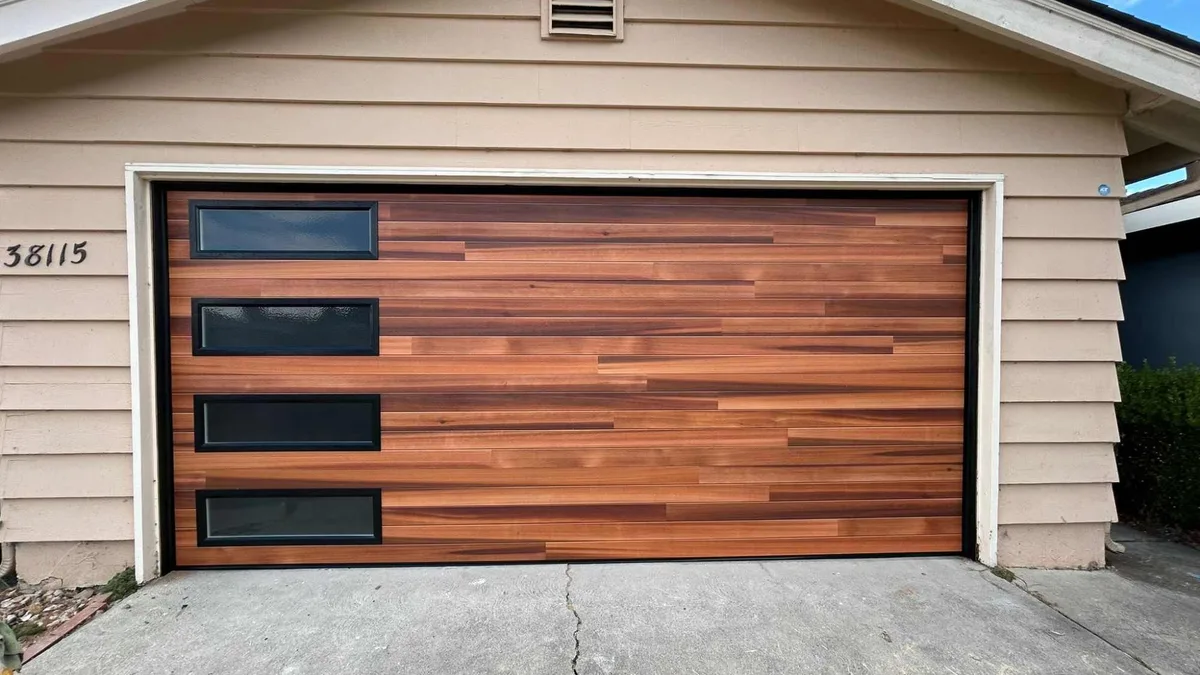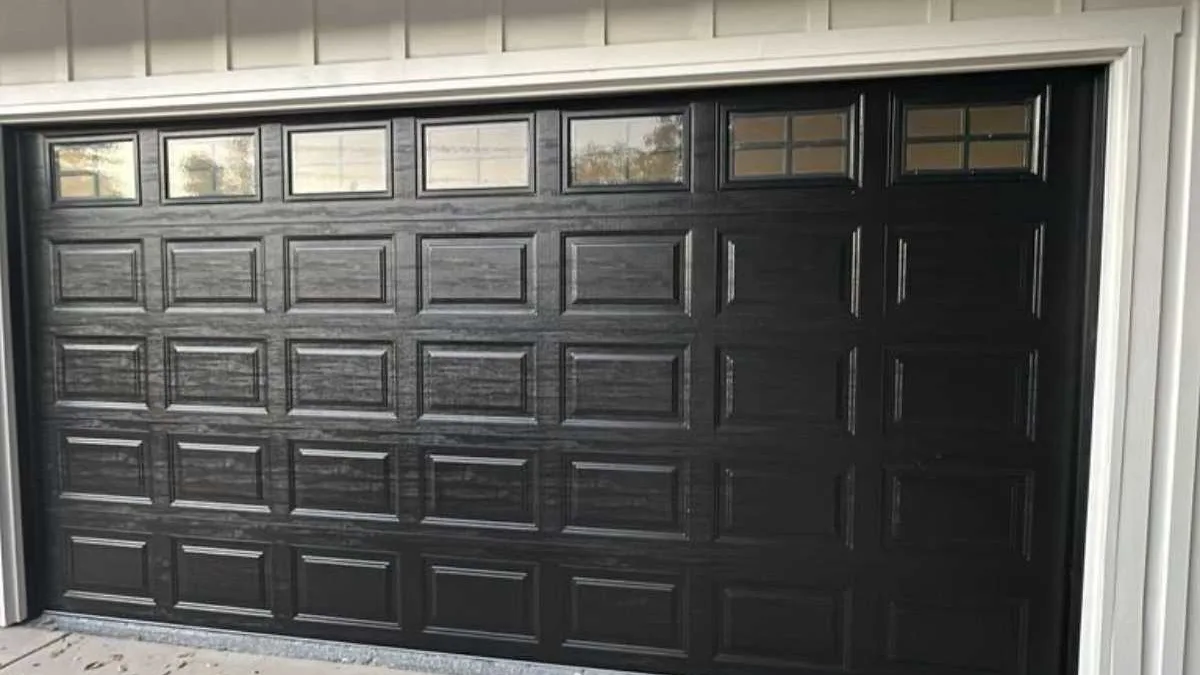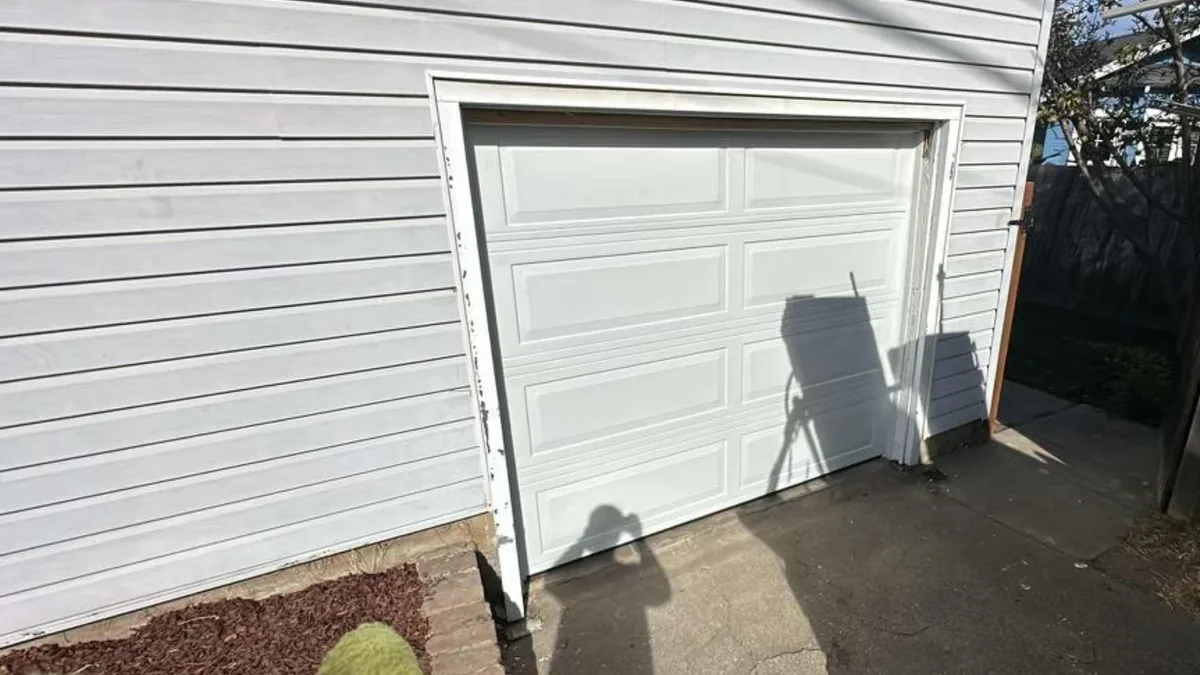
Every summer, homeowners across Port St. Lucie notice their garage door behaving differently. It sounds louder on some mornings than others. It hesitates before it starts moving. It reverses before it reaches the floor, or it stops halfway up and waits for a second command. When a door has been in service for a decade or more, the summer change is real, but the reason behind it is not always the one people assume. Heat affects several parts of a garage door assembly in different ways, and a single symptom can have more than one cause. This article covers what a homeowner can safely observe from outside the door with the garage empty, which causes are mechanically certain, and which checks belong to a technician.
What heat actually does to the assembly
A garage in Florida in July gets hot, and the door and its hardware sit in that heat all day. Some of the effects are predictable. Lubricant on rollers, hinges, and the opener drive thins out as temperatures rise, so a door that ran quietly in March may sound drier and louder by August. Metal expands in heat, and a track that was tight in cooler weather can bind slightly against a roller as the day warms up. These are general mechanical facts, not a diagnosis of any particular door.
What heat does not do, by itself, is break a torsion spring or snap a cable. Those failures happen, and they happen in summer, but the season is not the mechanism. When a door suddenly stops working, the cause is a specific failed or worn part, and the job is to figure out which one.
Common summer symptoms and what they can mean
A door that reverses before it reaches the floor is a travel-limit or force-setting problem. The opener has a programmed stop point and a force threshold, and when either drifts out of adjustment, the door reads the resistance as an obstacle and backs off. This is not a photo-eye problem. A blocked or misaligned photo-eye reverses a door only while it is closing, and only because the beam is interrupted — it has no role in a door that will not start, opens a little and reverses, or stops short.
A door that feels heavier in normal use, or that the opener struggles to lift, points toward the springs. A torsion spring that has broken cannot hold the door's weight, and the opener ends up lifting the full load on its own. The technician confirms this by inspecting the springs and cables directly. From outside the door with the garage empty, the homeowner may notice the door sitting crooked, a gap along the top, or a new heaviness in the way it moves.
A motor that runs but does not move the door has several possible causes. A stripped opener gear is one of them: the motor turns, the drive train does not engage, and the door stays put. A disconnected trolley, a broken spring that has left the door too heavy to lift, or a limit setting that has drifted can produce a similar result. The test that separates them — whether the trolley moves, whether the door moves freely by hand, what the motor sounds like under load — belongs to a technician.
A door that squeals, grinds, or pops at the same point in every cycle can be a worn roller, a dry hinge, a loose bearing, or a track that has shifted. Each produces a different sound and a different pattern of resistance, and the technician narrows it down by running the door and listening.
Why older doors show it first
An older door has more wear on every moving part. Rollers flatten, hinges loosen, springs lose tension over thousands of cycles, and the opener's gears and limit settings drift. Summer heat does not create these conditions, but it can make them more noticeable. A door with worn rollers that ran quietly in cooler weather may start to grind once the lubricant thins. A door with a spring near the end of its service life may finally give out on a hot afternoon. The age of the door matters less than the condition of its parts, and the only way to know the condition is to have them inspected.
What a homeowner can check safely
With the garage empty and the door closed, a homeowner can observe a few things without touching the assembly. Watch whether the door sits level across the opening. Note whether there is a gap along the top when the door is down. Listen for changes in the sound from one cycle to the next. If the opener has a force or travel adjustment, the manual describes how to use it, but if the door has started reversing or stopping short, the safer course is to leave the settings alone until a technician has looked at the door.
Do not attempt to adjust, lubricate, or inspect torsion springs, cables, or the opener drive train. Those parts store energy and can cause serious injury. The same applies to testing the door's balance by hand or pulling the emergency release and moving the door manually. Those checks belong to a technician with the right tools and training.
When to call for service
If the door reverses before it reaches the floor, feels heavier than it used to, sits crooked, or makes a new noise at the start of a cycle, it is worth having it looked at before the problem gets worse. DoorCore Garage Doors serves homeowners and small commercial property owners across the Treasure Coast, including Port St. Lucie, Fort Pierce, Stuart, Jensen Beach, Palm City, Hobe Sound, Vero Beach, and Sebastian. The company is licensed and insured, and offers emergency service. Reach them at (561) 421-5760 or DoorCoreFL@gmail.com, or visit 997 SE Albatross Ave, Port St. Lucie, FL 34983. Weekday hours are 7:00 AM to 7:00 PM, Saturday 8:00 AM to 5:00 PM.